

Can Worn Piston Rings Cause a Piston Air Compressor to Overheat?
Quick Answer
Yes, they can. Worn piston rings are one of the factors that can contribute to piston air compressor overheating, but do not immediately conclude that “an overheating machine = worn piston rings.”
When piston rings lose their sealing effectiveness, blow-by can occur: compressed air leaks through the clearance between the piston and cylinder wall into the crankcase instead of being compressed efficiently. This reduces compression efficiency and forces the machine to operate for longer periods or continuously to reach the required pressure. This process can contribute to an increase in compressor head temperature.
However, compressor head overheating can have many other causes, including dirty cooling fins, insufficient oil, unsuitable oil, faulty intake/discharge valves, poor ventilation, or excessive operating loads. Therefore, multiple symptoms should be assessed and other possible causes ruled out before deciding to replace the piston rings.
Common Symptoms | Information to Verify Before Reaching a Conclusion | Recommended Inspection Sequence |
|---|---|---|
Abnormally hot compressor head, very slow pressure buildup, rapid oil loss, or oil turning black or becoming foamy | Machine model, operating time, extent of oil loss from the crankcase, and condition of the cooling fins and valves | Check oil level and condition and inspect cooling fins → Inspect intake/discharge valves → Check pressure-building time and signs of blow-by → Disassemble and inspect piston rings/cylinder if sufficient evidence supports further inspection |
1. How Worn Piston Rings Cause a Machine to Overheat
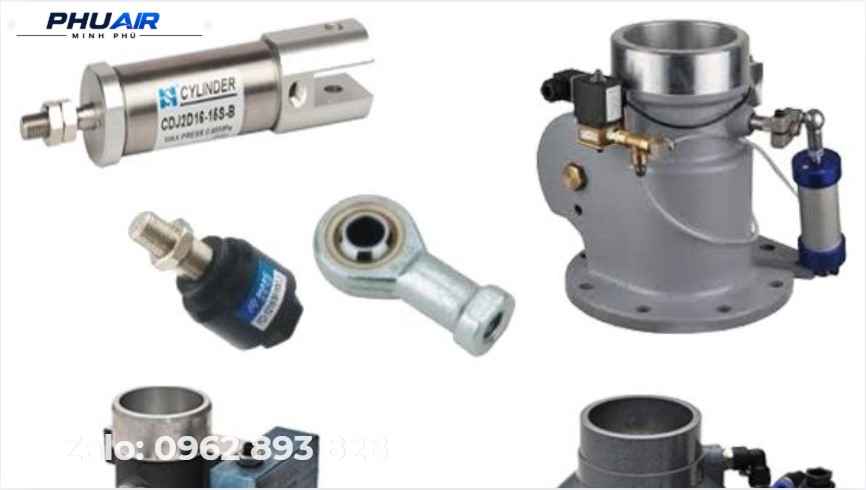
Piston rings are located between the piston and cylinder wall. Their functions include helping seal the compression chamber, controlling lubricating oil, and contributing to heat transfer from the piston to the cylinder wall. When the piston rings are in good condition, they help retain the gas in the compression chamber as the piston moves.
When piston rings become worn or stuck, their effects can occur through three mechanisms:
Blow-by: Compressed gas, which reaches a high temperature during compression, leaks back into the oil crankcase. This may cause the lubricating oil temperature to rise faster than normal.
Increased friction and heavier operating demands: Poor sealing reduces the amount of compressed air produced, forcing the machine to run longer or more continuously to meet the required pressure demand, resulting in greater heat accumulation.
Oil loss and deterioration: Lubricating oil may be carried into the compression chamber or deteriorate due to high temperatures, reducing its ability to dissipate heat and lubricate friction surfaces. This cycle can cause temperatures to continue worsening.
In summary:
Poor piston ring sealing → blow-by past the piston → reduced compression efficiency → longer operating periods → potentially increased heat generation and accumulation.
Important distinction: Worn piston rings are not necessarily the sole direct cause of overall compressor head overheating. They may be one part of a chain of problems that reduces compressor efficiency and forces the machine to operate for longer periods.
2. Signs of Worn Piston Rings in a Piston Air Compressor
Do not disassemble the machine simply because the compressor head is overheating. Look for accompanying symptoms.
Common Observable Signs
The cylinder head and crankcase area become abnormally hot, accompanied by a burning oil smell.
Lubricating oil in the crankcase is depleted rapidly or turns thick and black. Foaming may also occur due to carbon deposits entering the crankcase.
The machine runs continuously, but pressure in the air receiver builds up very slowly or fails to reach the maximum level.
Summary of Diagnostic Signs
Symptom | Possible Association with Piston Rings | What to Check |
|---|---|---|
Machine runs hotter than normal | Possible | Check cooling, lubrication, and compression performance together |
Slow pressure buildup | A significant indicator | Piston rings, valves, piston, and cylinder |
Machine runs for a long time before reaching pressure | Possible | Compression chamber sealing and air demand |
Reduced airflow | Possible | Piston rings and intake/discharge valves |
Abnormal oil consumption / oil turns black or becomes foamy | Possible | Piston rings and lubrication system |
Signs of blow-by into the crankcase | Significant indicator | Inspect piston-to-cylinder sealing |
Abnormal noise or vibration | Inconclusive on its own | Inspect the entire mechanical assembly |
A single symptom is not sufficient to conclude that the piston rings are worn.
3. Worn Piston Rings Commonly Cause Slow Pressure Buildup
This is an important symptom to consider during diagnosis. When piston rings no longer seal properly, some gas in the compression chamber may leak past the piston instead of being delivered to the discharge line, resulting in:
Reduced usable compressed air output → longer time required to reach the target pressure → increased operating time.
If the machine previously reached pressure normally but now runs longer, builds pressure more slowly, requires more operating cycles, or delivers less airflow, the piston rings, piston, and cylinder should be included in the inspection.
However, leaking intake or discharge valves can produce similar symptoms. Therefore, slow pressure buildup alone is not enough to conclude that the piston rings are worn.
4. Distinguishing Worn Piston Rings from Faulty Intake/Discharge Valves
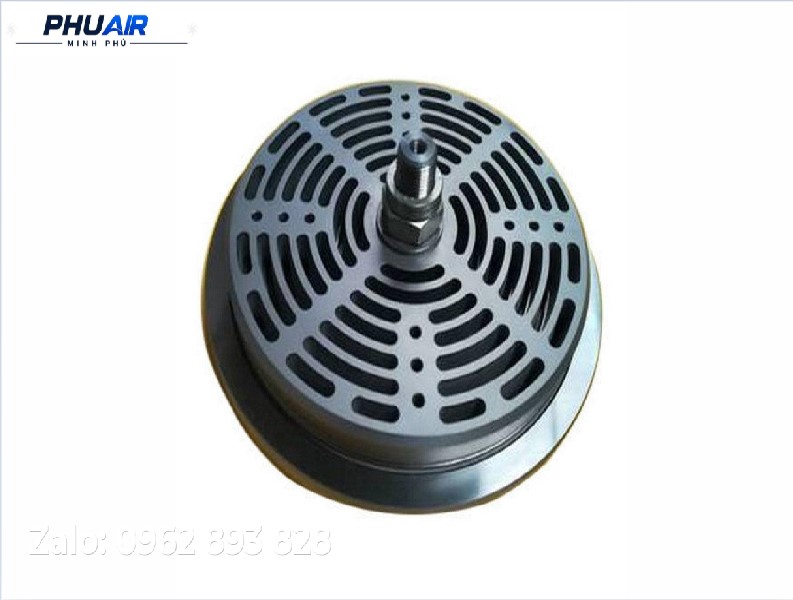
This is one of the most important factors to check when diagnosing a piston air compressor, as these two types of faults can produce very similar symptoms.
Symptom | Worn Piston Rings | Intake/Discharge Valve Problems |
|---|---|---|
Possible | Possible | |
Reduced airflow | Possible | Possible |
Compressor head overheating | Possible | Possible |
Air leakage past the piston into the crankcase (blow-by) | Possible | Not a primary indicator |
Abnormal oil consumption, black oil, or foaming | Possible | Not necessarily |
Cracked, broken, or stuck valve plates | No | Possible |
Carbon deposits on valves | Not a primary cause | Possible |
Cylinder head disassembly required for confirmation | Usually required | Usually required |
Because both types of faults can produce similar symptoms, do not replace piston rings simply because the machine has weak airflow or overheats. Inspect the valves first, as this generally involves lower costs and less invasive work, then assess the piston rings if necessary.
5. Other Causes That Can Also Make a Piston Air Compressor Overheat
If the machine is overheating but there is no clear evidence of piston ring problems, inspect the following areas.
1. Dirty Cooling Fins
Dust, oil, and contaminants accumulating on the cooling fins reduce heat dissipation. This is a relatively straightforward cause and should be checked early.
2. Insufficient or Unsuitable Lubricating Oil
Insufficient oil or the wrong oil type can compromise lubrication. If the machine overheats and also shows signs of low oil, oil leakage, abnormal oil condition, or mechanical noise, prioritize inspecting the lubrication system.
3. Leaking Intake or Discharge Valves
Dirty, stuck, bent, cracked, or broken valves can disrupt the air intake, compression, and discharge processes, resulting in the combination of overheating + slow pressure buildup + reduced efficiency. This makes valve problems easy to confuse with worn piston rings.
4. High-Load Operation
If compressed air demand increases, the machine may need to run longer or continuously. In this case, the temperature may rise because of operating conditions rather than piston ring problems.
5. Poor Ventilation in the Compressor Room
Trapped hot air around the machine reduces heat dissipation. If the compressor room temperature is high, assess the operating environment before disassembling the compressor head.
Factors That Cause Premature Piston Ring Wear
Three common factors accelerate piston ring deterioration: poor-quality or clogged air filters that allow dust to enter the compression chamber, insufficient lubrication, and prolonged operation under excessive load. These factors should be controlled to prevent premature wear.
6. How to Inspect a Piston Air Compressor When Worn Piston Rings Are Suspected
Step 0 – Safety Checks
Before disassembling the compressor head or performing an in-depth inspection, stop the machine, disconnect and isolate the power supply, release any residual pressure in the receiver and system to a safe level, and allow hot components to cool.
Never disassemble the compressor head while pressure remains in the system.
Electrical inspections involving capacitors, relays, or control cabinets should be performed by qualified personnel.
Step 1 – Confirm the Machine's Condition
Record the following observations:
Is the machine running hotter than before?
How long does it take to reach the required pressure?
Has the maximum pressure changed?
Has the airflow decreased?
Does the machine run longer than before?
Is there abnormal oil consumption, or has the oil changed color or become foamy?
Are there unusual noises or vibrations?
Step 2 – Check External Causes First
Before disassembling the compressor head, inspect the cooling fins, ventilation, oil level, oil condition, drive belt, pulley, and any signs of leakage.
If a clear cause is identified, address it first and then reassess the machine's condition.
Step 3 – Inspect the Intake and Discharge Valves
If the machine overheats and builds pressure slowly, inspect the valves before concluding that the piston rings are worn.
Check for carbon deposits, valve plate condition, sealing performance, cracks, breakage, deformation, and proper opening and closing.
Step 4 – Measure the Actual Pressure-Building Time
Measure the time required to fill the air receiver to assess actual compression performance. Compare the results with the machine's specifications or previous operating records.
Step 5 – Assess Piston Sealing Performance (In-Depth Inspection)
If the cooling system, lubrication, and valves do not explain the loss of compression performance, disassemble the compressor for inspection.
Remove the cylinder head and withdraw the piston to measure piston ring wear and inspect the cylinder walls for scoring.
This is an invasive mechanical inspection and should be performed by a qualified technician.
When Should Worn Piston Rings Be Suspected?
Suspicion should increase when multiple symptoms occur together, for example:
The machine runs hotter than normal + builds pressure slowly + operates for longer periods + delivers less airflow + shows signs of oil consumption (or black, foamy oil) + exhibits signs of air leakage past the piston.
Conversely, if the compressor head is hot but the machine still builds pressure and operates normally, do not conclude that the piston rings are worn. Check cooling, lubrication, and operating conditions first.
Should Piston Rings Be Replaced Immediately When the Machine Overheats?
No. Replacing piston rings is an invasive mechanical procedure that requires cylinder head disassembly, so a clear diagnostic basis is needed before proceeding.
If the actual cause is dirty cooling fins but the piston rings are replaced instead, the overheating problem may persist. Conversely, if the piston rings are worn but only the exterior of the compressor head is cleaned, the machine may continue to suffer from weak airflow, extended operating periods, and overheating.
Recommended approach: Identify the symptoms → check straightforward causes (cooling, lubrication, ventilation) → inspect the valves → assess sealing performance → disassemble for inspection when sufficient evidence is available.
Worn or damaged piston rings should not be ground, welded, or built up for reuse. Piston rings are exposed to high temperatures and friction during operation. Improper restoration can compromise mechanical balance and lead to more serious damage. When replacement is necessary, replace the complete piston ring set with genuine parts that match the correct model.
7. Frequently Asked Questions (FAQ)
Can worn piston rings cause a piston air compressor to overheat?
Yes, they can. Worn piston rings reduce compression chamber sealing, lowering compression efficiency and potentially forcing the machine to run longer, which contributes to increased heat. However, piston rings are not the only cause of compressor head overheating.
Can worn piston rings cause a piston air compressor to lose compression?
Yes. When air leaks past the piston (blow-by), compression efficiency decreases, and the machine may build pressure slowly or fail to achieve its previous compression performance.
Does an overheating piston compressor that builds pressure slowly definitely have worn piston rings?
No. Intake and discharge valves, the piston, cylinder, lubrication, cooling system, and operating conditions can all produce similar symptoms.
How can I tell whether piston rings are worn?
Do not rely solely on compressor head temperature. Assess pressure-building performance, airflow, oil consumption (or black, foamy oil), signs of air leakage past the piston, and the results of sealing and mechanical inspections. Direct measurement after cylinder head removal should follow the machine's specified inspection procedure.
Can worn piston rings recover on their own or be repaired by welding?
This is not recommended. Piston rings operate under high temperatures and friction. If they are worn or broken, replace the complete piston ring set with genuine parts rather than attempting welding or improper restoration.
What are the main causes of premature piston ring wear?
Common causes include poor-quality or clogged air filters that allow dust into the compression chamber, insufficient lubrication, and prolonged operation under excessive load.
Should piston rings be replaced when the machine overheats?
Do not replace them based on overheating alone. Identify the cause first to avoid replacing the wrong components.
8. Conclusion
Worn piston air compressor rings can contribute to overheating, primarily by reducing compression chamber sealing through blow-by, which lowers compression efficiency and forces the machine to operate for longer periods.
However, an overheating machine does not necessarily have worn piston rings.
When the compressor head overheats and the machine loses compression performance, inspect the following in order:
Cooling → lubrication → operating conditions → intake/discharge valves → actual pressure-building time → piston rings, piston, and cylinder (in-depth inspection).
Replace the piston rings only when sufficient symptoms and inspection results confirm that they are worn, stuck, or no longer provide adequate sealing.
📞 Need On-Site Inspection Support?
If your machine is experiencing compressor head overheating, slow pressure buildup, abnormal oil consumption, or longer-than-normal operating periods, send a photo of the machine nameplate and a description of its current condition to PhuAir. Our technical team will help identify the likely cause before recommending repairs or genuine replacement parts.